Photos show the scene at the time they were taken. Check official information for the current facility condition and whether it is operating.
What Is This Place?
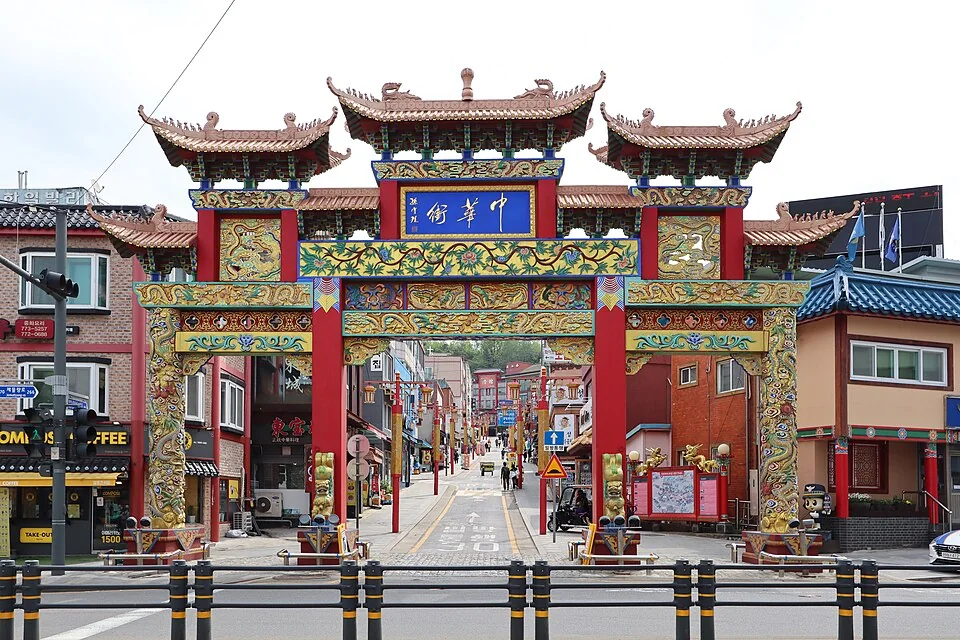
In Incheon Chinatown, you can encounter the Chinese community's culture established after the port opened while walking streets lined with Chinese-style gates and restaurants. Combine a meal of jajangmyeon with a street walk, or include the architecture of the Open Port area.
Choose whether to eat or walk the lanes first
Beyond the entrance paifang arch are Chinese restaurants and snack shops. If planning jjajangmyeon, leave snacks such as gonggalppang or mooncakes until after the meal, and check ingredients and ordering units first.
Chinatown also has slopes. Marking your restaurant and desired streets on a map first avoids repeated uphill walking. If stairs or hills are difficult, start near the restaurant rather than covering every lane.
Discover stories beyond the food streets
This neighborhood developed with a Chinese residential community after the port opened. When viewing buildings and decorations, remember residents live and shops operate here too.
If Chinese dish names are unfamiliar, ask whether you are ordering noodles, rice or a dish rather than relying on photos alone. For allergies, show ingredients to avoid written in Korean and ask whether they are also in sauces or broth.
Excerpt from the Official Description
Incheon Chinatown around Bukseong-dong, Jemulpo-gu, formed when Incheon Port opened and the area became a Qing extraterritorial concession.
This is a brief quotation from the official original or a verified translation. See the source link for the full information.
This selection includes the Open Port Cultural District, Incheon Chinatown and Songwol-dong Fairy Tale Village. Check each location and choose the places you want to visit.