From Seoul to Other Cities: Transport for Travel Beyond Seoul
Compare trains, express buses, intercity buses, flights, rental cars, tour vehicles and ferries, and prepare for the journey from Seoul to your destination and back.
Choose the city and your first stop, then compare options by adding the journey from your accommodation to the departure station or terminal and onward travel after arrival. Even a short ride from Seoul can mean a longer overall journey if transfers to the attraction take time.
The 100 Must-Visit Tourist Spots in Korea: Getting to the Entrance
All 100 entries selected for 2025–2026 have departure hubs in Seoul and local access options listed. Find grouped attractions by individual place, and islands and mountains by their boarding and visiting conditions.
Compare trains from Seoul and Suseo stations with domestic flights from Gimpo Airport, and prepare for travel from Busan Station or Gimhae Airport to your accommodation and for your return to Seoul.
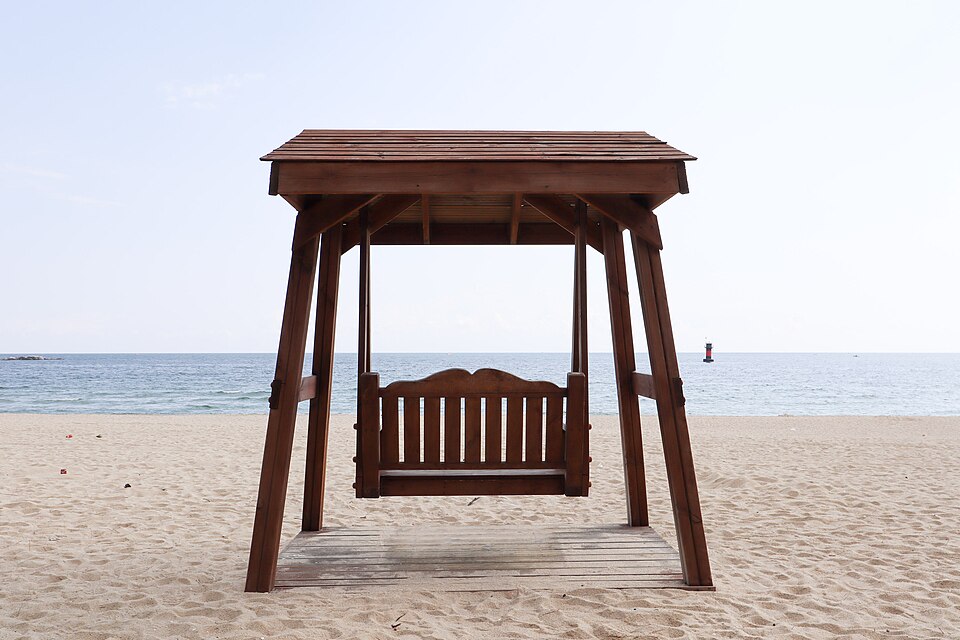
Compare Gangneung-bound trains from Seoul and Cheongnyangni stations with buses. Prepare for travel from Gangneung Station to the coast and your return ticket to Seoul too.
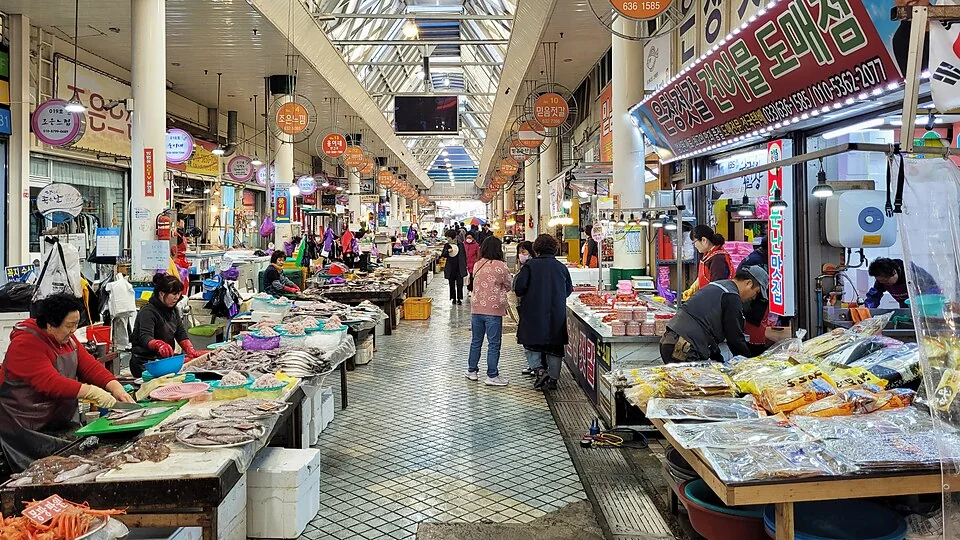
Distinguish Sokcho-bound buses from Seoul and their arrival terminals. Plan onward local travel to the coast, market or Seoraksan and connect it with your return bus.
Distinguish ITX-Cheongchun tickets from those for Gyeongchun Line metropolitan trains, and prepare for onward travel from Chuncheon or Namchuncheon Station to your destination and back.
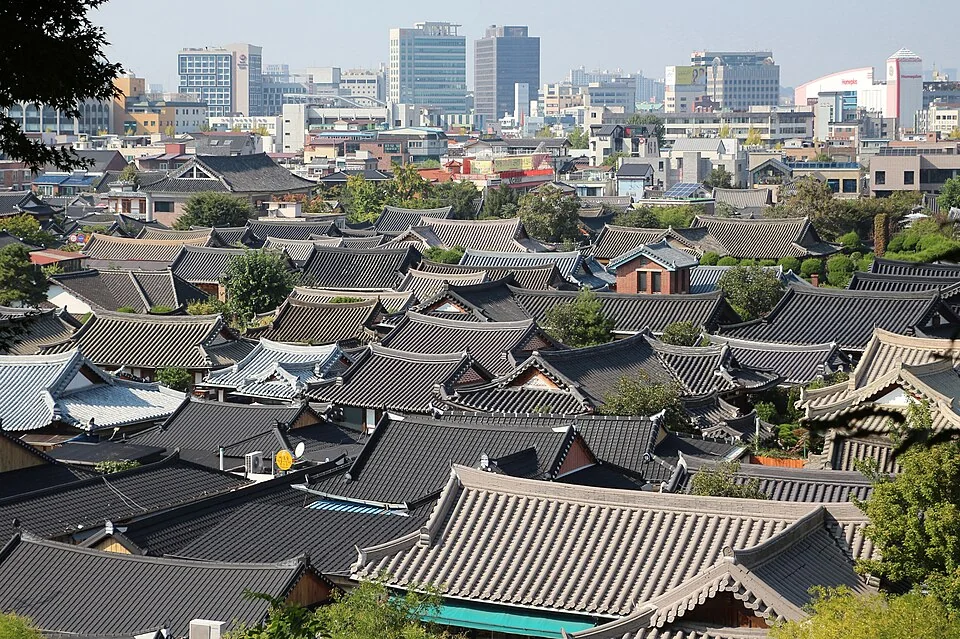
Compare trains from Yongsan with buses from Central City and Seoul Nambu terminals. Check the onward journey from Jeonju Station and the two bus terminals to the hanok village too.
Compare trains arriving at Gyeongju Station with Gyeongju-bound buses, and prepare for onward travel from the station or terminal to Hwangnidan-gil, Daereungwon or Bulguksa Temple.
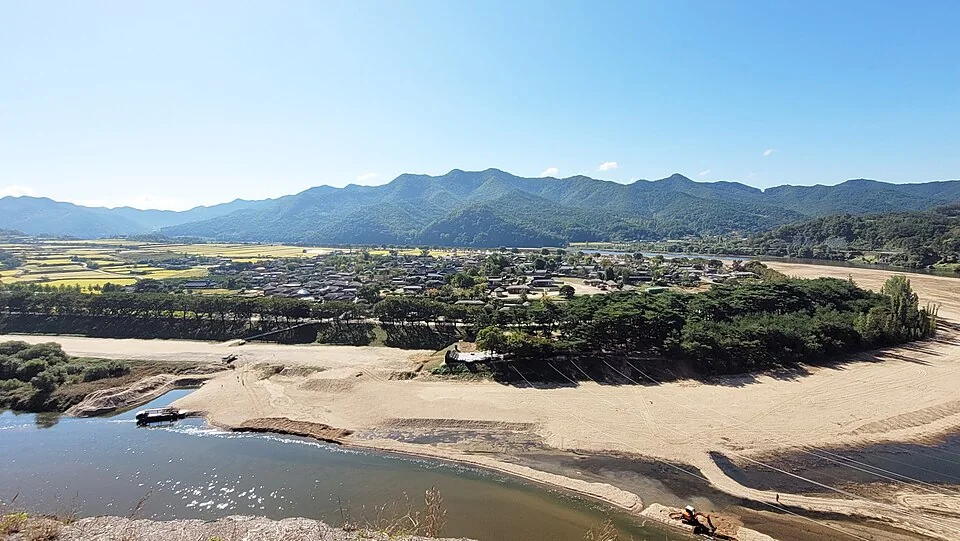
Look up Andong-bound trains from Seoul and Cheongnyangni, and prepare for transport from Andong Station to destinations farther away, such as Hahoe Village and Dosanseowon Confucian Academy, as well as your return.
Prepare for the journey from Seoul via Gimpo Airport to Jeju by air, onward travel from the airport to your accommodation, baggage and your return flight.
Check Your Departure Location Before Buying a Ticket
Subways and long-distance trains may use different platforms even at stations with the same name. When leaving your accommodation, enter the exact departure station or terminal name on your ticket into the map. If you have luggage, check elevators and movement inside the station too.
서울역 · Seoul Station
Check the departure station for your booked train, such as KTX. After leaving AREX or the subway, you need to move to the long-distance train boarding area.
When looking up services toward Jeolla or Honam, check your selected train's actual departure station. Do not treat Sinyongsan and Yongsan stations as the same platform.
Check that your high-speed train ticket says it departs from Suseo. Add the journey from the subway or GTX platform to the high-speed train boarding area.
Compare the Central City and Seoul Honam labels on the booking screen. Do not confuse its boarding area with the neighboring Seoul Express Bus Terminal.
Check the approach from Nambu Bus Terminal Station and look up your destination's routes. Do not mix up tickets departing from different terminals even for the same destination.
Distinguish domestic from international terminals, and check the airport and check-in deadline on your ticket. Avoid mistaking the departure point for Incheon Airport.
Choose Your Departure and Arrival Stations First, Then Compare Train Types
Seoul, Yongsan, Cheongnyangni and Suseo stations are different places. Add the time from your accommodation to the station, and check that the departure station on the booking screen matches the one on your ticket. Even trains to the same city have different departure stations, stops and transfer requirements.
In Korail's foreign-language booking service, enter the date, departure and arrival stations and passenger count, then compare train arrival times and seat classes. If choosing SRT, check the ticket sales channel and departure station for that train. After paying, also check that you can reopen the actual ticket and where to cancel or change it.
ITX-Cheongchun uses a separate ticket from Gyeongchun Line metropolitan trains. Passing through the metropolitan train gates does not mean you have a ticket for your booked train too. When changing between different types of trains at a station, show staff your ticket and intended direction.
Compare KORAIL PASS with the total individual fares of the trains you will actually take on your travel dates. Buying a pass does not automatically assign seats, and SRT and metropolitan trains are not covered. Use the official KORAIL PASS guidance to prepare for travel-day and seat-reservation conditions.
Choose the Exact Terminal Name as Well as the City
Seoul Express Bus Terminal and Central City have different boarding areas even though both are near Express Bus Terminal Station. Dong Seoul and Seoul Nambu terminals are separate facilities too. Do not assume your destination's express and intercity bus terminals are the same place; find the name on your ticket on the map.
The Korea Tourism Organization's bus guide distinguishes booking channels and foreign-language platforms for express and intercity buses. First look up the departure and arrival terminals and travel date, then read the language, overseas-card and phone-number requirements at your chosen booking service. Platforms sell different routes, so a missing result on one does not mean the route does not exist.
If a payment is rejected, first check whether payment was completed and a ticket issued to avoid duplicate bookings. You can also search through another officially listed channel or show the date, route and passenger count at a terminal ticket counter. On-site purchases also depend on available seats, so if you plan to buy your return ticket later, consider accommodation or another departure point in case it sells out.
Before boarding, match the departure time, boarding bay and vehicle destination with your ticket. Separate items for the luggage hold from the passport and phone you will carry. If the bus stops at a rest area, remember the departure time and vehicle location. Do not assume you can get off midway to use a toilet; it is better to go before departure.
Compare Flights by Adding Airport Transport, Check-in and Onward Travel after Arrival
For travel from Seoul to Jeju or Busan, compare domestic departures from Gimpo Airport. Gimpo's domestic and international terminals are separate, so check the airport code and terminal on your ticket first. Do not assume the destination airport is right beside the city center or attraction; look up onward travel separately.
Check routes in Korea Airports Corporation's flight schedule, then read the fares, baggage and change conditions for flights actually on sale through the airline or booking service. Take care not to compare a fare including only a small bag on the same price basis as one including checked baggage.
Follow your flight's check-in and boarding guidance for airport arrival deadlines. Ask the airline which IDs are accepted for domestic flights, how the passenger name should be entered and when baggage check-in closes. If connecting from an international to a domestic flight, also check whether immigration, baggage collection and travel between airports are needed separately.
Compare Rental Cars for Visiting Several Places after Arrival as Well as Traveling between Cities
Compare taking a train to a regional hub and renting a car there with driving from Seoul. A vehicle may be an option if your stops are scattered far from stations, but allow for the fatigue of a long drive back to Seoul and for parking too.
Before booking, ask the rental company about your license, International Driving Permit and other documents and issuing countries, passport, driver age and driving experience, and payment-card requirements. Being able to select a car on the booking screen does not confirm your eligibility to collect it.
Read the insurance coverage and excess, whether return to another branch is allowed and its extra cost, fuel or charging arrangements, and return time. With children, ask about child-seat provision and fitting when booking. Drive according to your rental agreement and local traffic laws, and do not plan to drive when drinking alcohol.
To Reduce Public Transport Transfers, Check Meeting Points and Return Conditions
For vehicles with a driver, check the travel sections and vehicle-use time; for join-in tours, start with the set meeting point and order of visits. Do not assume vehicle charges include attraction tickets or meals. Read included and excluded items separately.
Check the language used, luggage capacity, child seats, minimum participant numbers for departure, and late-arrival, no-show and cancellation conditions in the sales option. Even a product departing from Seoul does not guarantee pickup outside your accommodation or return to the same place. Prepare transport from the final drop-off point to your accommodation separately too.
Travel from Seoul to a Port, Then Connect to a Ferry
For island trips, choose the departure port first and connect trains, buses or a vehicle from Seoul to that port. Port arrival time and the ferry check-in deadline are different, so do not book land transport based only on the ferry's departure time.
Check the Korea Shipping Association's passenger-ferry search and the actual operator's notices for service on your travel date, boarding documents and vehicle-loading conditions. Weather can cause cancellations or return-service changes, so avoid tight connections with commitments such as an international departure on the same day. Do not assume a ferry goes directly from Seoul to Jeju; look up ports with operating services.
Decide Whether to Make a Day Trip or Stay Overnight
Choose one place you especially want to visit and find a route from the arrival station or terminal.
Find transport back from your last stop to the return station or terminal, and add time for transfers, waiting and collecting luggage.
Check whether the last subway service or another transport option can get you to your accommodation after you arrive in Seoul.
If return tickets are difficult to secure or local travel takes a long time, compare staying overnight, using other transport or reducing your stops.
If trains or buses are sold out, look for another departure station or terminal for the same city. For connecting services, however, check seats and connection times for every section together. Do not treat unbooked sections as confirmed plans.
Sources viewed on 2026-10-24. Distinguish general route and facility information from operation and entry notices for your travel date. Check fares, available seats and final connections for that date with the operators.